Heartbreak of Homecoming: When Homeland Hurts More
Heartbreak of Homecoming: When Homeland Hurts More
Introduction
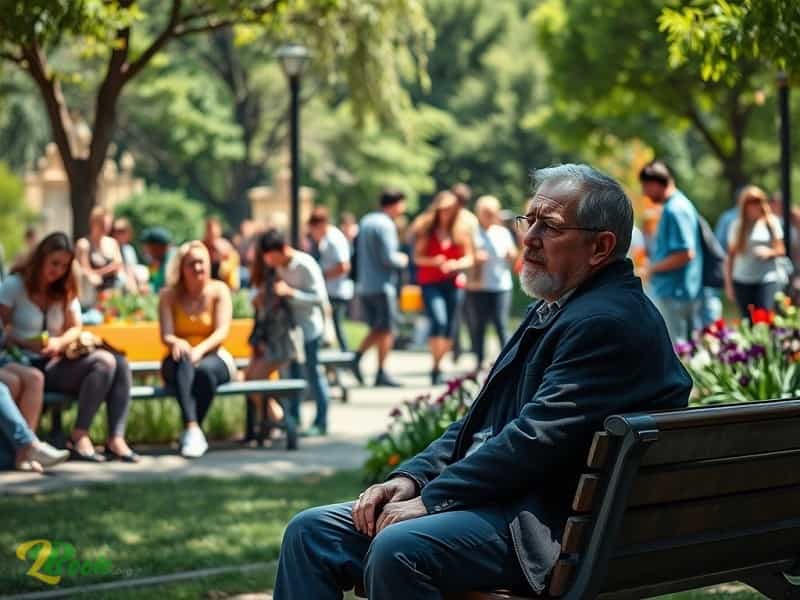
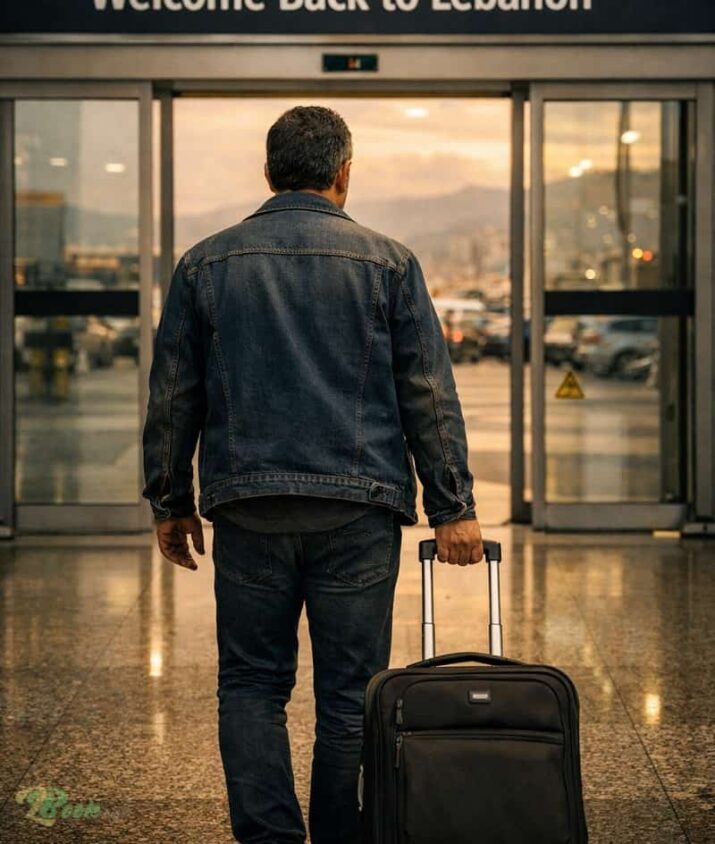
A person thinks exile means leaving your land. Then one day, you discover something harder. The hardest exile is sitting among your own people while your heart feels like a stranger to them. This is the story of a man who spent seventeen years in Europe. He came home dragging a heavy suitcase of hope and even heavier memories. He returned to discover that the real displacement wasn’t when he left. It was when his homeland and his people turned into empty shells. I will tell you his shock. Because it is not just his story. It is a mirror for thousands like him.
1. Self-Love: Where Moral Collapse Begins
When People Worship Themselves
When a person becomes the center of their own universe, all the meanings that once connected them to others collapse. In societies crushed by war and unemployment, survival turns into a blind instinct. It quickly devours mercy and compassion. This man found himself surrounded by people who don’t ask about his soul. They ask what he can give them.
How Selfishness Kills the Collective Spirit
Collective conscience is not a slogan. It is an invisible web that binds destinies together. When it collapses under corruption, each person becomes an isolated island. These islands do not see each other. And if they do, they collide. In such an environment, even an elderly woman of eighty-seven becomes a heavy burden to be neglected. This is exactly what happened in this man’s family.
2. The Returning Immigrant: A Shocking Disillusionment
Seventeen Years of False Hope
Throughout those years, he sewed an image of reunion in his imagination. Open arms. Tears of longing. Burning questions about every detail of his absence. But reality was crueler than any scenario he imagined. No one was waiting for him as a long-lost loved one. It was as if he had returned from a short trip. Or perhaps his presence was never truly needed.

When Nostalgia Turns to Heartbreak
He stood on his homeland’s soil. He inhaled the scent of the earth he had dreamed of on cold European winter nights. But the smell had changed. It now reeked of hypocrisy and deceit. The first person who shook his hand didn’t ask about his exhaustion. He asked about his money. Right there, in that very moment, he felt something inside him break forever.
3. True Exile Is Not Geographical – It Is Existential
Europe Was Never an Exile
He confessed to me a statement that still echoes in my ears: “I never felt exiled in Europe. Not even for one day.” There, as a stranger, he felt protected by the laws. By neighbors who respected boundaries. By the work that gave him dignity. The apparent coldness of Europe was warmer than the chaos of dead emotions in his original environment.
The Homeland That Became Stranger Than Exile
The paradox is shocking. The place that was supposed to be a refuge turned into a battlefield. He found himself avoiding relatives. Cutting visits short. Searching for any excuse to retreat silently to his room. He wasn’t a stranger because they rejected him. He was a stranger because he rejected what they had become.
4. Family Collapse in War-Torn Lands
The Worst Betrayal: Stabbed from Behind
Nothing hurts like betrayal from a relative. If a stranger hurts you, it is expected. But your brother or your cousin? That he could not comprehend. He told me about deals made behind his back. Money that disappeared. Promises that evaporated. Here, he remembered an old saying: your worst enemy might be the one who shared your cradle.
When an Elderly Woman Is Forgotten
The incident of the eighty-seven-year-old grandmother was the final straw. Her own sons left her alone. Her hearing is failing. She forgets her keys. No one asks about her. In a society that once prided itself on honoring the elderly, the elderly have become just numbers in the queue to the grave. This neglect is not carelessness. It is proof that something essential has died inside those souls.
5. Corruption and Chaos as Byproducts of War
An Economy of Disasters and Survival Ethics
When opportunities vanish, instincts emerge. He saw young people holding university degrees searching for any job. Others turned to fraud as a way out. Not because they are evil by nature. But because hunger is a harsh teacher. This man had known some of them before traveling. He swore they were good people. But seventeen years of everything collapsing around them turned them into predators.
When a Human Becomes a Grotesque Creature
The phrase “grotesque human creatures” is not a mere metaphor. It is a clinical description of what happened. A creature that loses its humanity becomes more ferocious than any animal. An animal hunts to satisfy hunger. But a transformed human betrays to feel secure. He deceives to avoid being deceived. He lies to get ahead.
6. Hypocrisy and Deceit in Broken Societies
The Social Mask Under Fear’s Pressure
People have learned not to show what is inside them. Innocence could cost them their lives. Hypocrisy has become an art form. The fake smile is now common currency. This returning friend couldn’t imitate them. His face remained a mirror of his feelings. The price was being accused of arrogance or naivety.
When Lying Becomes a Survival Tool
When you lie to eat or to secure a roof over your head, honesty becomes a luxury the poor cannot afford. That is how they justify their actions. But the struggle with conscience never stops. The one who sleeps in a bed of lies wakes up to a nightmare.
7. No Psychological Safety Among Family
Why Did He Feel Safe in Europe but Afraid at Home?
In Europe, he knew the law would protect him. The policeman was a friend, not an enemy. The neighbor, if not helpful, wouldn’t harm him. In his homeland, nothing is certain. You might go to sleep and wake up to news of a disaster. You might trust someone and be betrayed. Safety is not just the absence of danger. It is the certainty that danger is absent.
Lost Tenderness: When Love Turns into Transaction
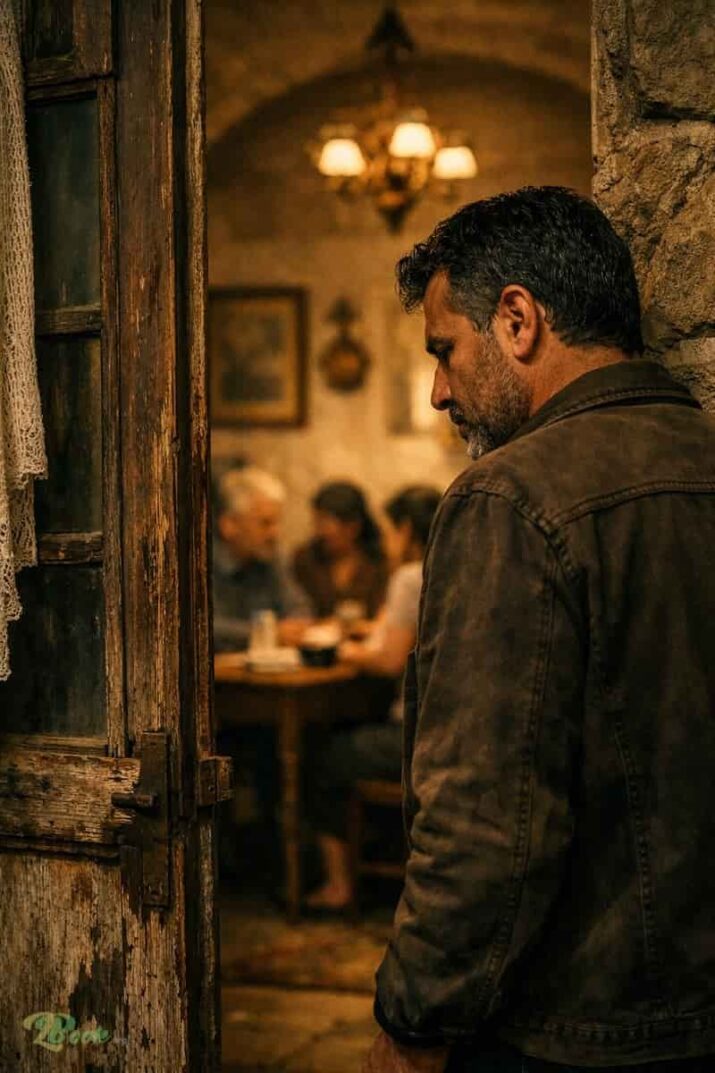
Family visits turned into bargaining. Questions became investigations into his possessions. The emotional support he had waited for turned into financial demands. No one embraced him without expecting something in return. He became lonely among countless people.
8. Atheism and Ingratitude After Repeated Trauma
When War Destroys the Idea of Divine Justice
He didn’t tell me he had become an atheist. But his question carried more than doubt: “Where is God in all of this?” When you see a child starving, a neighbor stealing without punishment, an elderly woman neglected, the metaphysical framework that gives life meaning begins to crack. Atheism is not always a desire. Sometimes it is a natural result of invisible justice.
Losing Humanity May Mean Losing Faith
Atheism is not necessarily the result of logic. It can be the result of pain. A wounded soul searches for something to hold onto. When it finds nothing, it thinks the heavens are silent. But the truth is that many who declare atheism in collapsing societies are in constant struggle with the God they abandoned. Because remembering Him hurts more than denying Him.
9. Comparing Exile Society to Origin Society
European Order: Cold on the Surface, Warm Within
In Europe, your neighbor might not ask about your health. But he won’t steal from your garden. You might not cry on his shoulder. But you can sleep with your door unlocked. This kind of organized coldness is safer than warmth that hides daggers behind hugs. My friend discovered that some ice protects against burns.
Middle Eastern Chaos: Warmth That Burns
In his homeland, everyone shouts “Welcome!” They exchange kisses. They shower you with hot questions. But behind your back, they tear you apart. Fake warmth. Like an embrace of thorns. The closer you get, the deeper you are wounded.
10. Why Have Human Relationships Failed?
Unemployment and Corruption Kill Social Bonds
When there is one loaf of bread and ten hungry people, tables become battlefields. Corruption poisons the wells. Unemployment dries up the springs. In such an environment, even love withers. Because it needs fertile soil to bloom.
The Competition for Survival: Losing Mercy Fast
Mercy is a spiritual luxury. And luxury is a privilege. Societies gasping for survival have no time to wipe away tears. They might even create those tears to profit from them. The scene is harsh. But it is real.
11. Describing Deformed Human Creatures
How Personality Forms in War and Chaos
Psychology tells us: environment shapes personality. Or deforms it. In atmospheres polluted by constant fear, the brain’s chemistry changes. Fear centers become more active. Empathy centers weaken. These are not monsters by nature. They are products of harsh circumstances that molded them into dry molds.
Signs of a Person Becoming a Stranger to Himself
The signs are clear. Loss of the ability to cry at another’s tragedy. Mocking the weak. Considering kindness a sign of stupidity. Hating anyone who reminds them of what they used to be. Their cruelty towards others is actually a defense of the new image they secretly hate.
12. Absence of Role Models and Collective Conscience
The Lost Elite and Spreading Indifference
Those who were supposed to be the light became darkness. Intellectuals emigrated or fell silent. Religious leaders either traded faith or hid. Leaders were consumed by power. The absence of role models creates a moral vacuum. It is filled by the worst within us.
Media: Between Misinformation and Normalizing Cruelty
Scenes of killing and destruction became commercial breaks. Repetition kills sensitivity. Familiarity with death makes it an ordinary event. Thus, screens contributed to turning catastrophe into routine. And routine into indifference.
13. The Hardest Exile Is Not Distance – It Is Hearts
The Man’s Unforgettable Words
His final words before we parted were: “Exile, abandonment, and cruelty – I felt them in my homeland, among my own people.” Not mere words. A summary of a whole life lost between two lands. Finding in neither what it sought. He wants me to take him somewhere else. Not geographically, but existentially. To a place where humanity still exists.
Lessons from a Disappointing Return
Returning to a changed homeland without psychological preparation is like jumping into a hidden fire. His lesson to us: Don’t build homelands in your imagination. Reality might demolish them. And look carefully at those you leave behind before you miss them. Some are not worth missing.
14. Is There Hope? A Modest Proposal
Redefining Belonging: From Geography to Values
Perhaps it is time to say: My belonging is not to a place. It is to those who share my humanity. That person might be in another country, or on the next street. But meeting on shared values is truer than meeting on shared blood. This is what my friend learned. After it was too late.
Small Initiatives Can Revive Humanity
The solution is not in grand revolutions. It is in small daily acts. Visiting the sick. Not betraying a trust. Respecting the elderly. Be the change yourself. These small particles of goodness might gather to form an immunity against the moral epidemic we live in.
Recommendations
First: Keep your conscience as your ID card. Even if you are the only one carrying it in your neighborhood.
Second: Before returning home, visit as a tourist first. Make sure you can live there psychologically before materially.
Third: Arab societies need to rethink morality versus survival. Stop making excuses for every distorted behavior.
Fourth: Create safe spaces – virtual or real – for those who still have a living human spirit.
Fifth: Media and education must stop normalizing cruelty. Return to teaching compassion as a curriculum.
Conclusion
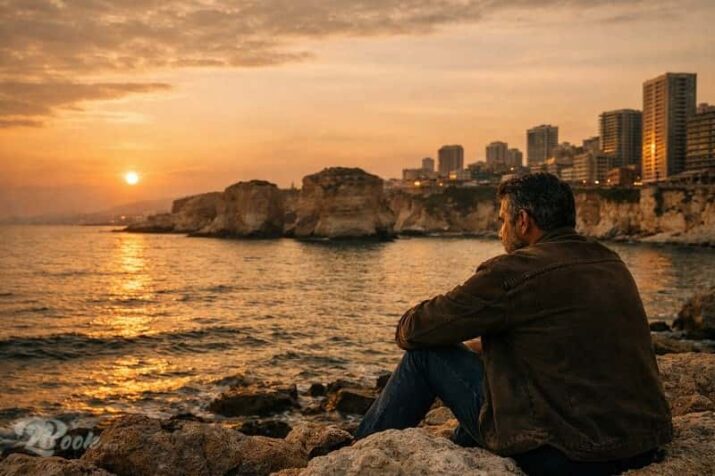
The great paradox in this man’s story is that he fled material destruction. He returned to find moral decay even more corrosive than any bomb. He discovered that stones may crumble but can be rebuilt. But a conscience, once destroyed, nothing can restore it. My friend now carries his second exile. Heavier than the first. He no longer knows whether he will return to Europe or stay in a homeland that has become strange to him. But he learned a harsh lesson. True exile is not being alone among strangers. It is being alone among your own family. The worst loneliness is the loneliness you feel in the crowd of those you know.
Perhaps the only salvation is to create a new kind of exile. Exile from corruption. From ingratitude. From indifference. To become a stranger to these qualities, even if we stay on our land. Only then will we discover that homeland is not a piece of land. It is a human state that lives inside us – not outside us.
And his final words will stay with me for a long time: “I never felt exiled in Europe. The real exile – I felt it inside my own homeland.”
Related Posts
- Effective Strategies for Managing Stress at Work and Life
- How to Overcome Depression: A Comprehensive Overview
- Human Values as the Foundation of a Healthy Society in Chaos
- Kindness Strength or Weakness in a Corrupt World
- How Narcissism Negatively Affects Mental Health
- Has the Animal Become Kinder than Humans?
- Signs of Fake Love and How to Recognize Them Clearly
- Humanity in the Age of Technology: Separation or Connection?