The Most Dangerous Cyber Attacks in 2026: Lessons Learned
The Most Dangerous Cyber Attacks in 2026: Lessons Learned
Introduction
In a world increasingly reliant on technology, the threats posed by cyber attacks have escalated dramatically in recent years. Cyber assaults in 2026 have presented some of the most formidable challenges facing individuals and businesses alike. These attacks varied in nature, ranging from ransomware and viruses to targeted strikes against critical infrastructure. Addressing these threats requires a deep understanding of attack dynamics and the application of effective defense strategies.
In this article, we will highlight the most dangerous cyber attacks that occurred in 2026 and extract crucial lessons to bolster cybersecurity in the future.

1. Ransomware Attack on Hospitals: A Public Health Crisis
In 2026, hospitals became prime targets for ransomware attacks, crippling essential health services. Extensive downtimes led to the cancellation of surgeries and critical treatments, endangering lives. Attackers demanded large ransoms, often forcing institutions to weigh financial losses against patient safety. This crisis revealed vulnerabilities in healthcare systems, highlighting the need for improved cybersecurity measures.
Hospitals were left struggling to restore services while managing public relations fallout. Comprehensive strategies to enhance infrastructure resilience are necessary to prevent such catastrophic consequences in the future.

2. Data Breach in Major Corporations: A Blow to Trust
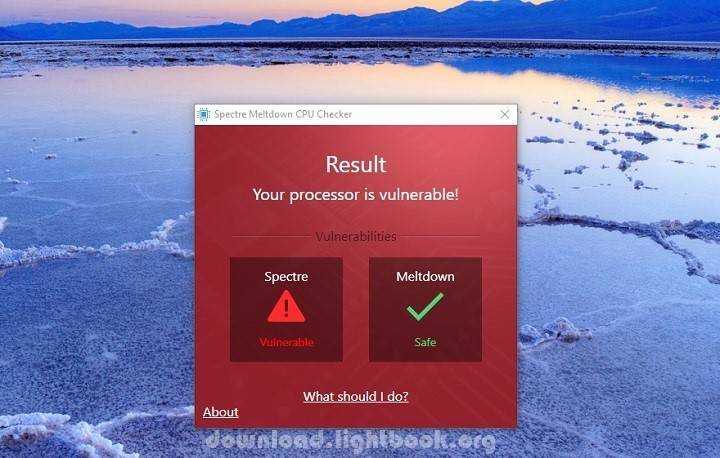
The year saw significant data breaches in major corporations, exposing sensitive customer information. These breaches not only inflicted financial damage but also eroded consumer trust. With personal data becoming increasingly vulnerable, companies faced intense scrutiny over their security practices. The aftermath prompted many organizations to rethink their data protection strategies and reinforce their commitment to safeguarding user privacy.
This incident underscored the necessity for robust incident response plans and transparent communication with stakeholders. Building a trustworthy relationship with consumers is essential in navigating the aftermath of such attacks.
3. Attacks on Energy Infrastructure: Escalating Risks
Cyberattacks targeting energy infrastructure pose a growing risk in 2026, with attackers aiming to disrupt power supplies. The implications of such strikes extend beyond immediate disruptions, threatening national security and economic stability. When energy grids are compromised, the effects ripple through various sectors, underscoring our reliance on technology.
The attacks prompted a reassessment of security measures in critical infrastructure, as nations recognized the need for collaborative defense strategies. Investing in updated technology and improved monitoring systems became imperative to protect vital resources. Efforts must prioritize resilience in the face of persistent threats.
4. Cloud Attacks: Is Your Data Secure?
As organizations increasingly transitioned to cloud services, they unwittingly exposed themselves to new vulnerabilities. Cybercriminals capitalized on this shift by targeting cloud storage systems to steal sensitive data. The complexity of cloud environments often leads to misconfigurations, making them easy prey for attackers. This situation highlighted the critical importance of implementing strong access controls, encryption, and regular audits.
Companies need to adopt a “cloud-first” security strategy, ensuring that their data is protected regardless of location. Continued education on cloud security practices is essential for all employees.
5. Exploiting Software Vulnerabilities: The Importance of Updates
In 2026, the exploitation of software vulnerabilities is becoming a significant threat, with many organizations neglecting timely updates. Cybercriminals actively sought out unpatched systems to launch devastating attacks, taking advantage of known weaknesses. This reiterated the importance of a comprehensive patch management strategy to keep software aligned with best security practices.
Organizations learned that regular updates are not just about new features; they are vital for safeguarding against emerging threats. The need for increased automation in the updating process became apparent, as manual checks are often insufficient. By prioritizing mature vulnerability management, companies can significantly reduce their risk.

6. Digital Identity Theft: How to Protect Yourself?
Identity theft surged in 2026, with cybercriminals exploiting personal information for financial gain. Social engineering tactics have become more sophisticated, making it easier for attackers to manipulate individuals into revealing sensitive data. This rise in digital fraud prompted a reassessment of personal security measures and privacy practices. Individuals were encouraged to adopt stronger password protocols, utilize two-factor authentication, and regularly monitor their financial statements.
Public awareness campaigns play a crucial role in educating people about recognizing phishing attempts and safeguarding their identities. Ultimately, fostering a culture of vigilance is essential for minimizing risks.
7. Artificial Intelligence Enhancing Cyber Attacks
In recent years, the integration of artificial intelligence into cyber attacks has intensified the threat landscape. AI-powered attacks enable criminals to automate and scale their methods, making detection increasingly challenging. With machine learning algorithms capable of identifying system vulnerabilities, the potential for sophisticated breaches escalates.
Organizations must invest in AI-driven defense mechanisms to counteract these novel threats effectively. This situation emphasizes the need for continuous innovation in cybersecurity technologies. Collaboration among tech experts and security firms is essential to stay ahead of evolving AI-based cyber threats.
8. The Impact of Remote Work on Personal Security
The shift to remote work in 2026 significantly impacted personal security practices, as workers accessed corporate networks from various locations. This flexibility came with increased risks, as home networks often lack the same security measures as office environments. Companies face challenges in providing adequate cybersecurity training and resources to employees working remotely.
This trend highlighted the necessity of implementing zero-trust security models to ensure that all users, regardless of location, are continuously verified. Organizations learned that investing in remote work security policies is critical to mitigate risks. Raising employee awareness about phishing tactics and social engineering is equally vital.
9. Cyber Warfare Between Nations: A Dire Escalation
The rise of cyber warfare between nations added a new dimension to global tensions in 2026. Governments deployed cyber tactics not only for espionage but also to disrupt the operations of rival states. This escalation of hostilities raised alarms about the potential for catastrophic consequences on a global scale. Nations began forming coalitions to share intelligence and enhance collective cybersecurity capabilities.
The necessity for international agreements to govern cyber operations has become increasingly urgent. Understanding the implications of state-sponsored cyber activities is essential for maintaining global security in the digital age.
10. The Importance of Employee Security Awareness
Employee security awareness emerged as a critical defense against cyber threats in 2026. Many attacks succeeded due to human error, making training programs fundamental to organizational resilience. Regular workshops and simulated phishing exercises proved effective in improving staff response to potential threats. Creating a culture of cybersecurity mindfulness helps employees recognize red flags and take preventive measures.
Organizations learned that leadership commitment to security awareness significantly influences overall effectiveness. With a well-informed workforce, companies can fortify their defenses against evolving cyber risks.
11. The Role of Government in Cybersecurity Protection
Governments played a pivotal role in shaping national cybersecurity policies and responses in 2026. Regulatory frameworks were established to standardize security practices across industries, enhancing collective resilience. Collaborative initiatives between governments and private enterprises aimed to share critical threat intelligence and resources. Investment in cybersecurity infrastructure became a national priority, as countries recognized the economic and security implications of cyber threats.
Public awareness campaigns promoted individual responsibility and community engagement in cybersecurity efforts. Effective governance is essential for creating a secure digital environment for all citizens.
12. The Future: How to Prepare for Upcoming Threats
Looking ahead, organizations must adopt a proactive approach to cybersecurity, anticipating future threats and vulnerabilities. Continuous risk assessments and investment in emerging technologies are key to staying ahead of adversaries. The importance of collaborative efforts within sectors cannot be overstated; sharing knowledge and resources enhances collective security.
As cyber threats become more sophisticated, organizations will need to adapt quickly, ensuring that their defenses are not only reactive but also predictive. By fostering an innovative security culture, companies can be better prepared for the challenges that lie ahead.
Recommendations
1. Enhance Security Training
Organizations should invest in regular security training programs for employees to raise awareness about the latest cyber threats and best practices for defense. Training should include simulations and real-world examples to reinforce learning.
2. Regular Software Updates
Companies must prioritize a rigorous patch management strategy to ensure that all software and systems are updated promptly. Addressing vulnerabilities through timely updates is crucial for safeguarding against potential exploits.
3. Advanced Encryption Techniques
Implementing robust encryption for sensitive data, both at rest and in transit, is essential. This additional layer of security helps protect information from unauthorized access and data breaches.
4. Enable Two-Factor Authentication
Organizations and individuals alike should activate two-factor authentication (2FA) for all accounts. This simple yet effective measure greatly enhances account security by requiring an additional verification step.
5. Monitor for Suspicious Activity
Businesses need to establish effective monitoring systems to detect unusual activities on their networks. Early detection of potential threats can help prevent larger security incidents.
6. Develop an Incident Response Plan
Creating a comprehensive incident response plan is vital for guiding organizations during a cyber attack. This plan should outline clear steps for containment, remediation, and communication with stakeholders.
7. Collaborate with Cybersecurity Experts
Partnering with cybersecurity experts can provide organizations with the latest insights and strategies for managing threats. This collaboration is essential for building a resilient security posture.
8. Promote Public Awareness Campaigns
Governments and organizations should launch public campaigns to educate citizens on cybersecurity. Awareness initiatives can empower individuals to take proactive measures to protect their digital lives.
9. Conduct Regular Threat Assessments
Continuous assessment of potential cyber threats is necessary for staying ahead of emerging risks. Organizations should invest in regular evaluations to update their security strategies accordingly.
10. Invest in Security Technologies
Allocating budget for advanced security technologies, such as AI-driven threat detection, will enhance an organization’s ability to identify and respond to attacks swiftly. Embracing innovation in security solutions is essential for future readiness.

Conclusion: The Most Dangerous Cyber Attacks
Recent developments in the cyber landscape indicate that attacks are becoming increasingly complex and deadly. As we reflect on the lessons from 2026, it is critical to remain vigilant and proactive in our cybersecurity efforts. Strengthening defenses requires ongoing education, investment, and a commitment to protecting digital assets. The experiences gleaned from past incidents provide valuable insights that can guide future actions.
By fostering collaboration among stakeholders, we can build a more secure digital future. Ultimately, cybersecurity is a collective responsibility that demands ongoing commitment and innovation.
Related Software
- UsbFix
- USB Disk Security
- Dashlane Password Manager
- Zemana Anti-Malware
- Avast AntiTrack Premium
- GlassWire
- CyberScrub Privacy Suite
- AdwCleaner