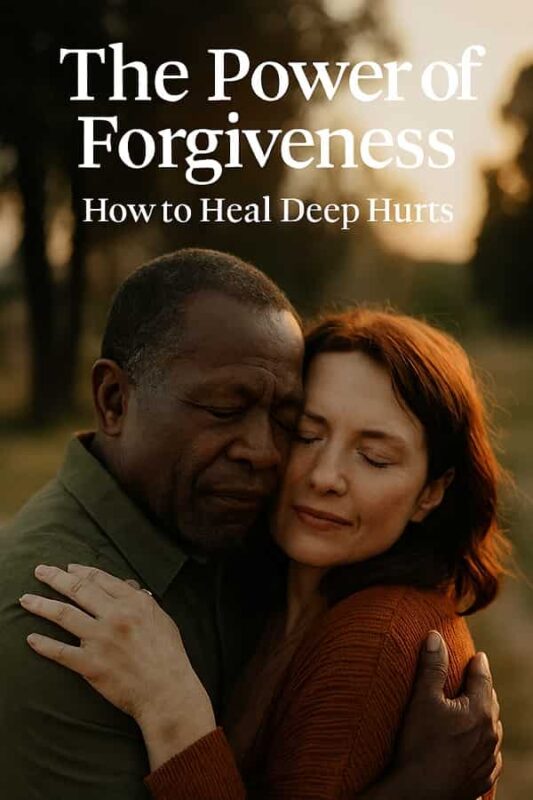
The Power of Forgiveness: How to Heal Deep Hurts
The Power of Forgiveness: How to Heal Deep Hurts
Introduction
Forgiveness is one of the hardest challenges a person can face, especially when the pain comes from someone close who shows no mercy or humanity. Many live trapped in anger and bitterness, wondering how to free themselves without becoming weak or bitter. It does not mean accepting or approving of what was done; it is a conscious choice to take back control over our emotions and our peace of mind.
It is an act of inner freedom that helps us let go of resentment and regain clarity. In this article, we will explore deep emotional and practical steps to forgive someone who caused deep wounds, even when that person never changes or shows remorse.

1. Understanding True Forgiveness
1.1 Inner Freedom
Forgiveness is not just a word or a single decision. It is a long process that frees the soul from anger and bitterness that weigh it down. The one who forgives realizes that holding on to hate does not hurt the other person—it only destroys one’s own peace. Through forgiveness, we release the power the offender has over our emotions and allow ourselves to heal and grow stronger. It becomes a way to regain control, clear the heart from negativity, and move forward with a sense of emotional independence and dignity.
1.2 Separating the Act from the Person
Many believe forgiveness means excusing the person or forgetting their behavior, but true forgiveness means separating the act from the person. You can recognize that someone’s behavior was wrong while choosing not to let it poison your heart. This kind protects your peace without denying reality. It is not about reconciliation—it is about your freedom. When you stop letting another’s cruelty define your emotional world, you gain power, wisdom, and peace.


2. Setting Personal Boundaries
2.1 Physical and Emotional Distance
Creating distance from the hurtful person is often essential. It doesn’t mean you hate them; it means you are choosing self-respect. Healthy boundaries help you heal and prevent further emotional damage. Distance gives you space to regain strength and protect your heart. Forgiveness is not proven by how close you stay—it is proven by your ability to stay kind without allowing further harm. True peace comes when you can forgive from a safe place, where pain no longer reaches you.
2.2 Emotional Self-Defense
Forgiveness doesn’t mean allowing repeated abuse. Protecting your emotional health is part of mature forgiveness. It means saying no to harmful behavior, firmly but without hate. This form of self-defense allows compassion and wisdom to coexist. It keeps you strong while preventing the offender from controlling your inner peace. Real forgiveness stands on courage, not submission—it is the art of loving yourself enough to stop being hurt.
3. Dealing with Anger and Bitterness
3.1 Expressing Feelings Safely
Before forgiving, you must face your emotions honestly. Bottled-up anger turns into resentment or depression. Writing, talking to a trusted friend, or physical activity can all help release pain in healthy ways. By expressing rather than suppressing your emotions, you make room for healing. Forgiveness is easier when the heart is no longer full of unspoken pain. Expression brings understanding, and understanding brings freedom.
3.2 Understanding the Source of Anger
Recognizing where your anger truly comes from helps you control it. Most anger comes from feeling betrayed or devalued, not just from the offense itself. Once you understand this, you can begin to separate your identity from what happened. You realize your worth is not defined by someone else’s cruelty. That awareness transforms anger into wisdom, and wisdom leads naturally to forgiveness.
4. Forgiveness as Inner Strength
4.1 Forgiveness Is Power, Not Weakness
Choosing to forgive someone who hurt you deeply is not weakness—it is power in its purest form. It means you refuse to be a prisoner of the past. You are no longer reacting, but choosing. This choice makes you emotionally independent, able to live without bitterness or revenge. Forgiveness empowers you to keep your dignity, your peace, and your focus on what truly matters.
4.2 Balancing Heart and Mind
Forgiveness is both emotional and rational. The heart wants to let go, while the mind sets clear boundaries. Balancing the two ensures that compassion does not become self-destruction. Should never silence wisdom. When heart and mind work together, you can forgive with love while still protecting your peace. That is the mark of true emotional maturity.
5. Redefining the Relationship Internally
5.1 Seeing the Offender Objectively
Seeing the hurtful person as they truly are—flawed, limited, and perhaps deeply broken—helps you forgive without excusing them. Objectivity replaces blind emotion with understanding. You stop expecting change from them and focus instead on your healing. This mental clarity makes forgiveness a calm, thoughtful process, not a chaotic emotional reaction. It’s not about them anymore—it’s about your peace.
5.2 Reordering Priorities
When we shift our attention from the offender to what brings us joy and meaning, we regain control of our life. Investing in healthy relationships and personal growth reduces the power of pain. Forgiveness becomes easier when we are surrounded by love, purpose, and positivity. The more you focus on what nourishes your heart, the less space there is for bitterness.
6. The Spiritual Side of Forgiveness
6.1 Inner Peace as a Starting Point
Forgiveness begins in the heart. Even before you understand why someone hurt you, you can choose peace. Letting go of resentment clears the path for healing and spiritual renewal. It allows you to see life with calmness and wisdom, even when circumstances remain unfair. Inner peace is not a reward—it is a foundation for emotional freedom.
6.2 The Moral Strength of Forgiveness
Forgiveness reveals moral strength. It shows that you can rise above pain without losing your integrity. When you forgive, you prove that cruelty cannot shape your character. You become stronger, more compassionate, and wiser. It is not about what others deserve—it’s about who you choose to become.
7. Learning from Painful Experiences
7.1 Lessons Hidden in Pain
Every painful experience carries a lesson about patience, courage, and boundaries. Those who learn from pain become wiser and more compassionate. Instead of letting wounds define them, they turn them into sources of understanding and strength. Forgiveness, in this light, becomes a path of learning and self-discovery. It turns suffering into growth, not defeat.
7.2 Building a Stronger Self
Forgiving those who caused deep hurt strengthens your confidence and emotional maturity. You learn to stand firm without hate. With each act, your spirit grows stronger, more grounded, and more resilient. Over time, it becomes your natural defense against bitterness, allowing peace to take root deeply within you.
8. Focusing on Yourself and Healthy Bonds
8.1 Investing in Positive Relationships
Forgiveness frees energy that can be redirected toward people who bring love and light into your life. Healthy connections rebuild your sense of trust and belonging. By surrounding yourself with kindness, it becomes easier and more natural. Love and support from others help transform your pain into peace and meaning.
8.2 Personal Growth and Renewal
When you focus on personal development—learning, creativity, and goals—you stop being defined by the past. Growth heals. It gives you a new purpose and independence. Forgiveness then becomes a tool for transformation rather than just healing, leading to renewed self-respect and strength.
9. Forgiving Family Members Who Hurt You
9.1 Differentiating Love from Abuse
It is possible to love someone and still reject their harmful behavior. True forgiveness doesn’t mean tolerating abuse—it means choosing not to carry its pain any longer. Understanding this difference allows you to keep your heart open without exposing it to harm again. You honor love, but you protect peace.
9.2 Preserving Important Bonds
Sometimes forgiveness is necessary to keep important family relationships alive—like the bond with a caring mother or supportive siblings. By forgiving, you prevent bitterness from spreading into your healthy connections. In this case, it is not for the offender but for the sake of preserving what still brings goodness into your life.
10. Forgiveness as an Art of Living
10.1 Practicing Forgiveness Daily
Forgiveness grows stronger with practice. Each time you forgive, you teach your heart flexibility and patience. Over time, becomes a natural habit, a quiet strength that keeps your spirit light. It doesn’t mean you forget—it means you choose peace every single day, even when memories still hurt.
10.2 Seeing Forgiveness as Freedom
Forgiveness is ultimate freedom. It releases you from the chains of the past and opens the door to peace. The moment you stop waiting for apologies, you reclaim your life. It becomes not just an act, but a way of living that protects your heart and allows joy to return naturally.
Recommendations
- Forgive to free yourself, not to change the other person.
- Set clear boundaries and protect your emotional health.
- Express pain safely—through writing, talking, or reflection.
- Focus on growth, not revenge.
- Surround yourself with people who value peace and respect.
- Remember that forgiveness is a process, not a one-time act.
Conclusion
Forgiving someone deeply hurtful is never easy, but it is one of the greatest acts of strength a person can achieve. It protects your heart, restores your peace, and allows you to move forward without hate. True forgiveness does not excuse wrongdoing—it simply refuses to let it control you. By setting healthy boundaries, expressing emotions, and focusing on personal growth, you can find lasting peace.
In the end, it is not about forgetting; it is about reclaiming your life and transforming pain into wisdom. Through it, you become whole again—free, calm, and strong.
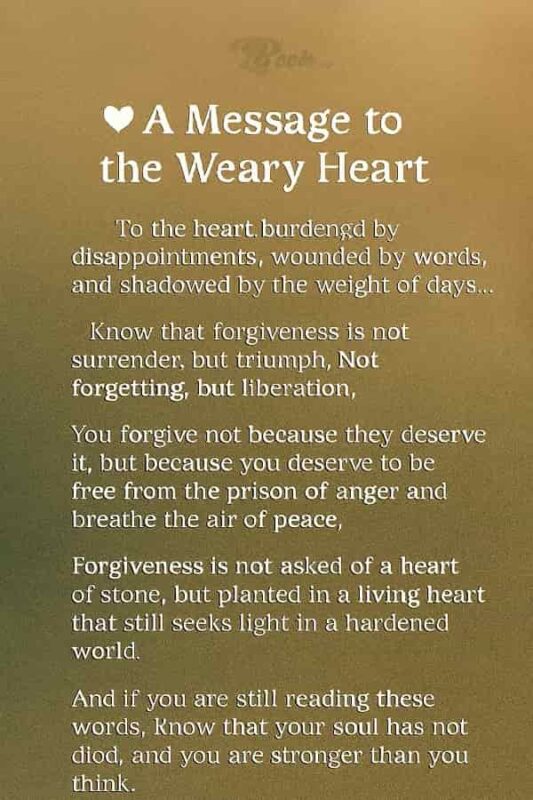
💌 A Message to the Weary Heart
To the heart burdened by disappointments, wounded by words, and shadowed by the weight of days… Know that forgiveness is not surrender, but triumph. Not forgetting, but liberation. You forgive not because they deserve it, but because you deserve to be free from the prison of anger and breathe the air of peace. It is not asked of a heart of stone, but planted in a living heart that still seeks light in a hardened world.
And if you are still reading these words, know that your soul has not died, and you are stronger than you think. Forgive—not because they were right, but because you choose not to wrong yourself.
More Spiritual Reflections
- To Gain Goodness and Lengthen Your Days on Earth
- Jesus On the Cross Broke Down the Wall of Hostility
- Purity of Heart and Mind – Spiritual Journey Towards God
- Christian Fasting – What Is It and Why Do Christians Fast?
- Christian Spiritual Meditation – Thirst and Life
- Christian Reflections Sail with Her to the Spirit World
- Waking Up in the Morning Smile and Thank God for a New Day
- God Teach Me How to Follow You and Help Me Walk Your Path